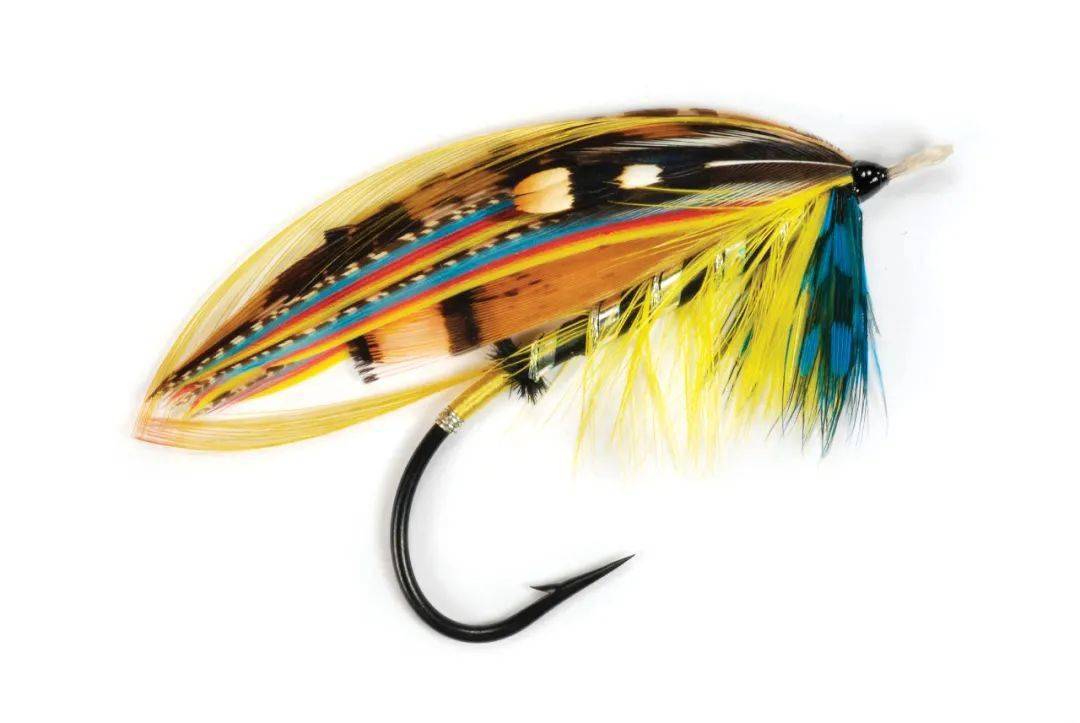
Fly Fishing is the use of the weight of the fly line, using a rope casting technique to transmit power to cast bait. The angler uses the weight of the fly line to silently cast a very light fly bait on the water at a certain distance, float or sink according to different weights, and then draw the line to operate the bait to simulate the posture of insects struggling to swim, which is fatal to many fish. Fly-fishing lures called hair hooks are artificially tied to simulate insects with feathers.
According to the Chinese fishing magazine, insect-like bait is widely translated as flies in the Chinese translation of foreign materials, and the ancient wisdom and environmental protection of flies or hair hooks can be used repeatedly for a long time, and in leisure or in the long winter, it is a very pleasant thing to create several charming patterns for inspiration. The purpose of making artificial insects is very practical - anglers can't keep catching insects and small fish for bait indefinitely.
The flies get their name from their habits, and larvae are found in ponds and puddles alongside mud flies, aphidophagies and clawed flies. Ephemeroptera and trichoptera are both natural samples of anglers' imitation, but neither is a true fly in the zoological sense, and they belong to their own order within the entomoptera system, with a large number of species in both orders (for example, there are 80 species of ephemeroptera and about 250 species of trichoptera in Central Europe). They have adapted to a wide range of environments: they thrive in many types of water, from warm lakes to cold mountain springs and streams. A large part of fish's diet is insect larvae. There are many kinds of insects, which live in the water as larvae and pupae when they are young, providing the main food source for fry and even adult fish.
In order to visualize artificial insects, it is useful to know a little about natural samples: *** Each time you fish, spend a little time in the river and in the water to observe them and remember what they look like at different stages of growth.
Ephemeroptera vary in size from a few millimetres to the largest up to 50 millimetres. After the larvae emerge from the eggs, they feed on plants or other aquatic inhabitants, and at this stage they are the favored prey of fish. They stay underwater until the first stages of larvae, when they swim to the surface, break out of their shells, and become flying insects. The image of this metamorphosis is a sample of many wet flies. After metamorphosis, they change from a larva living in water into a winged, but not yet sexually mature insect, which is called a subadult. Secondary adults live for a time in coastal plants and then metamorphose a second time into sexually mature holoworms, adults, or moths. The most important thing for mayflies to do at this stage is to mate as soon as possible, because during the second metamorphosis their digestive organs completely atrophy. The mating takes place in flight, the males die after mating, leaving the fish with plenty of floating food - dry flies - and the females immediately start laying eggs either above the water or directly under it.
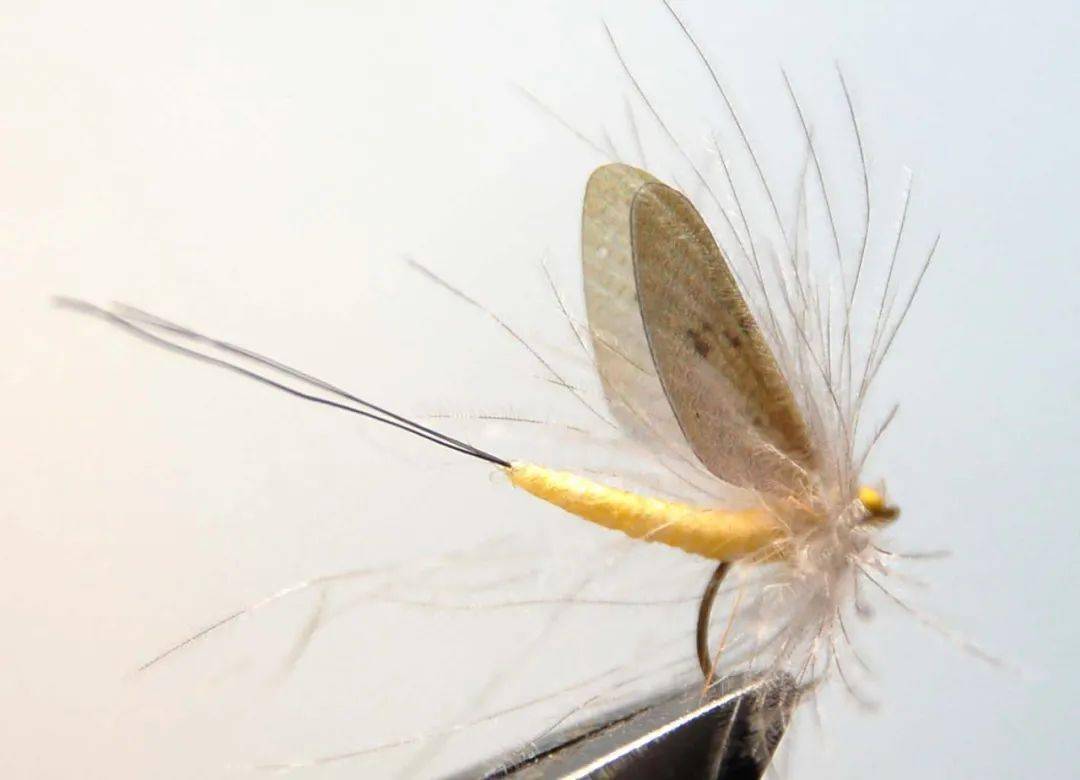
As soon as the trichopteran larvae emerge from their eggs, they begin to build their houses. They carry around with them a tube of glue that acts as a protective chamber and into which they can withdraw in case of danger. The tubes of each species of trichoptera are made of humus, sand, wood, snail shells and shell fragments, and the larvae use secretions from the silk glands at the end of the body to bind them together into tubes. There are many species of trichopteran insects, and the larvae of some species float freely without sticky tubes. Although there are many raw materials for building houses, the larvae are selected according to the rapid and slow water flow at their location. Light materials are used for slow water, and heavy construction materials such as sand and stone are used for urgent water. Although the tiny larvae are clever enough not to be washed away by water, they are often eaten by grayling along with sticky tubes. From the stomach of grayling, you can see the residue of sticky tubes in which the larvae hide for most of the year, and you can see that grayling is not confused.
Most trichoptera insects are brown or dark gray, with some being orange. Their growth cycle is slightly different from that of ephemeropterans, and after the larvae emerge, they also live for a few years in the sticky tubes they build themselves, covering the entire water. Large numbers of larvae are an important food for fish, and it stands to reason that they are indispensable nymphs in fly anglers' fly boxes. In the first stage of the larva, it turns into a pupa in a sticky tube and develops fully into a sexually mature insect with four membranous wings. Many wet flies, or ascendant flies, mimic this stage of growth as adults burrow out of sticky tubes in an attempt to rise to the surface before being eaten by fish.
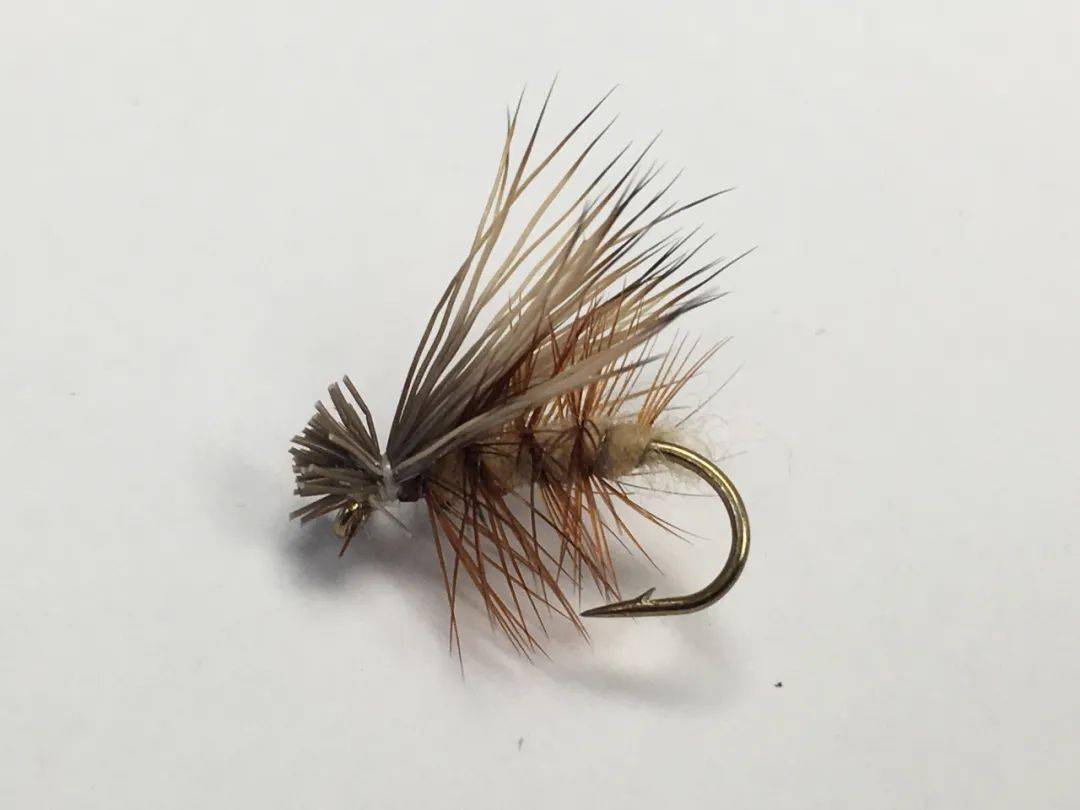
For anglers, a whole set of features should be known and recognized in nature: Mayoptera, which mimic small sailboats; Trichoptera, which have two pairs of membranous wings and three tail lines; and Mayoptera, which have two pairs of membranous wings and three tail lines. Sticky tubes attached to stones and plants, and larvae without "houses" and so on.
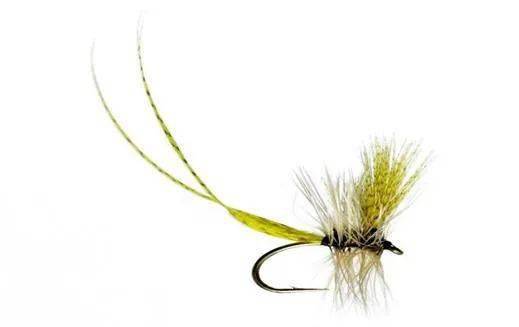
Although salmonids feed primarily underwater, dry flies are still a popular float fly and casting method for anglers. Technically, it requires dry flies to float on the surface of the water at all times, mimicking depleted insects. In Europe and the United States for many years mainly with roe deer hair production, also with feathers, in order to ensure that the fly for a long time to float, manufacturers and produced "bird tail oil" for coating and hair, they as far as possible with a thin line tied to the thin hook strip to reduce weight.
Wet fly, an emerging rising fly, used for pelagic fishing to the surface. It is not necessary to deliberately choose a lightweight and buoyant imitation material, it should have the characteristics of poor subsidence, insufficient buoyancy, and disappearing in the running water. The key is to let the flies appear in the water layer of the real rising flies, which naturally caters to the feeding behavior of the fish. In terms of appearance, the current and traditional patterns are not based on natural samples, after all, wet flies are adults before "depletion", only a life stage, and do not have a unique self-form.
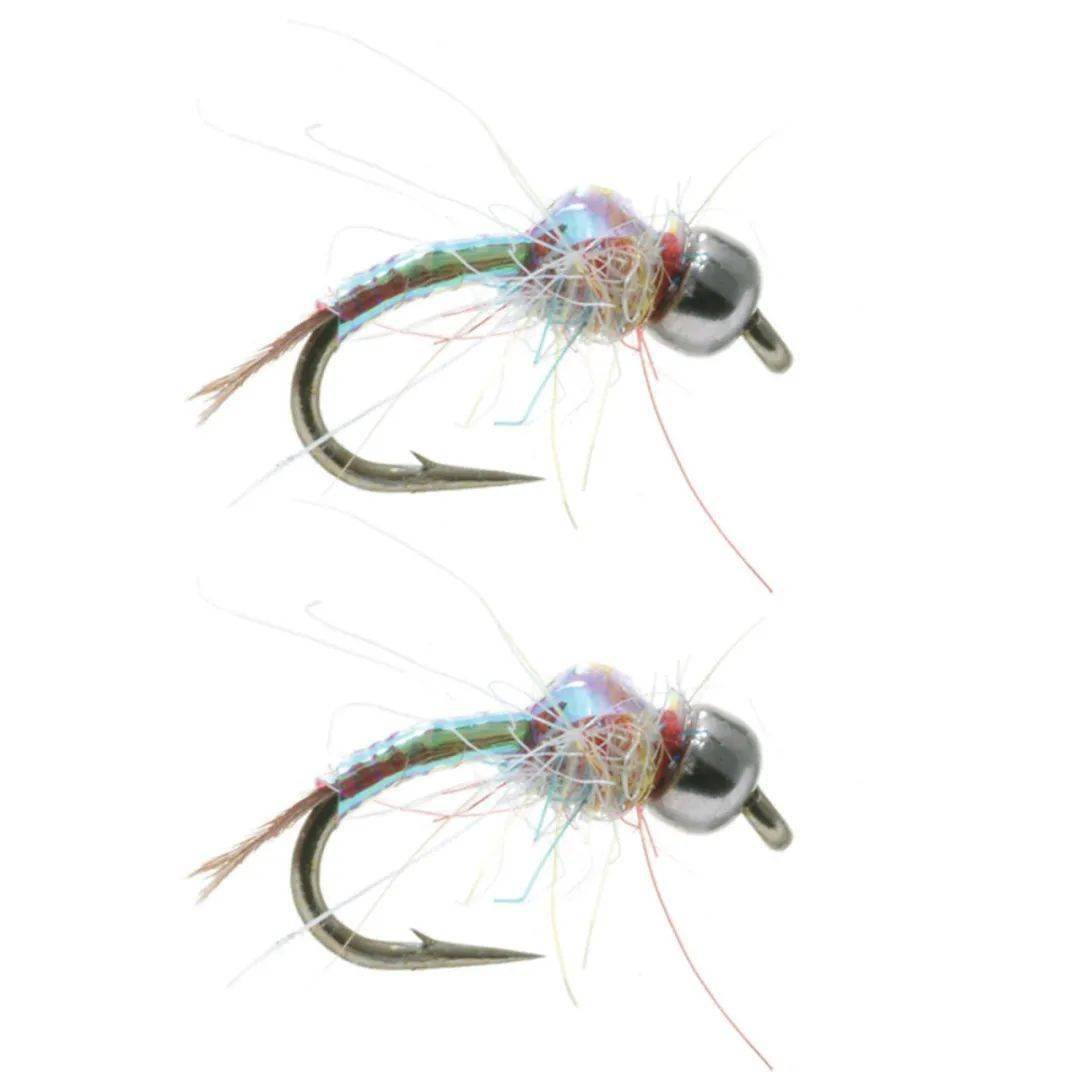
The nymphs, which gradually grow into pupae or insect shape in 1 to 3 years after they emerge from the eggs, are the first growth stage before the "dry fly" is mature. In trichoptera, remember that some larvae do not have adhesive tubes, they float freely and everywhere, so the nymphs should also be shown to the fish in the position and water level judged by the angler. This requires that there must be several nymphs of different weights and buoyancy in the fly box for fishing in different water layers and different flow rates. Anglers are not always so carefree, and nymphs are also dangerous, often snagging the complicated river bottom, like singers on stage who suddenly forget the lyrics. Many people in Europe regard nymphal fishing as the best form of fishing because it requires comprehensive practical knowledge and extensive experience.